
As our planet faces unprecedented environmental challenges, the systems that keep our food fresh and our buildings cool have emerged as unexpected contributors to climate change. Refrigeration technology has transformed modern life, yet its relationship with the atmosphere requires urgent attention and innovation. Understanding how these systems function and their broader impact on our climate provides essential context for the transition towards more sustainable cooling solutions.
Common Types of Refrigeration Systems Used in Commercial and Domestic Applications
Vapour compression refrigeration systems and their widespread use
The vapour compression cycle represents the most prevalent form of refrigeration technology found across homes, supermarkets, and industrial facilities worldwide. This system relies on a refrigerant substance that alternates between liquid and gas states, absorbing heat from the interior space and releasing it externally. Its popularity stems from reliability, efficiency, and the ability to scale from small domestic units to massive commercial installations. The widespread adoption of this technology has created a global infrastructure dependent on specific refrigerants, many of which have proven problematic from an environmental perspective. Traditional systems have utilised F-gases like HFCs, substances that contribute significantly to climate change despite their effectiveness in cooling applications. The industry has witnessed decades of refinement since early systems emerged, with manufacturers continually seeking improvements in performance and environmental credentials.
Absorption refrigeration systems and alternative cooling technologies
Beyond the dominant vapour compression approach, absorption refrigeration offers a heat-driven alternative that operates on fundamentally different principles. These systems use a heat source rather than mechanical energy to drive the cooling process, making them attractive in situations where waste heat is available or electricity costs are prohibitive. Natural refrigerants like CO2 have gained considerable attention as viable alternatives to synthetic compounds, offering eco-friendly characteristics that align with sustainability goals. CO2 refrigeration systems have become particularly noteworthy because CO2 has a Global Warming Potential of only 1, representing a dramatic improvement over conventional refrigerants. Other natural substances including ammonia and hydrocarbons also present opportunities for reducing the climate impact of cooling technologies. The diversity of available systems allows businesses and consumers to select solutions tailored to specific requirements whilst considering environmental responsibilities. This expanding portfolio of refrigeration technology reflects growing awareness that cooling needs must be met without compromising planetary health.
How refrigeration systems operate: the thermodynamic cycle explained
The Four Essential Stages of the Refrigeration Cycle
The refrigeration process follows a continuous thermodynamic cycle that moves heat from one location to another through carefully orchestrated phase changes. During the evaporation stage, liquid refrigerant absorbs heat from the space being cooled, transforming into a low-pressure vapour. This vapour then undergoes compression, which raises both its temperature and pressure substantially. The hot, high-pressure gas subsequently passes through the condensation phase, where it releases absorbed heat to the surrounding environment and returns to a liquid state. Finally, the liquid refrigerant passes through an expansion device that reduces its pressure, preparing it to begin the cycle anew. This elegant process repeats continuously whilst the system operates, maintaining desired temperatures through perpetual heat transfer. Understanding these stages reveals why refrigeration technology requires both energy input and appropriate working fluids to function effectively. The efficiency of this cycle determines both operational costs and environmental impact, making optimisation a priority for manufacturers and operators alike.
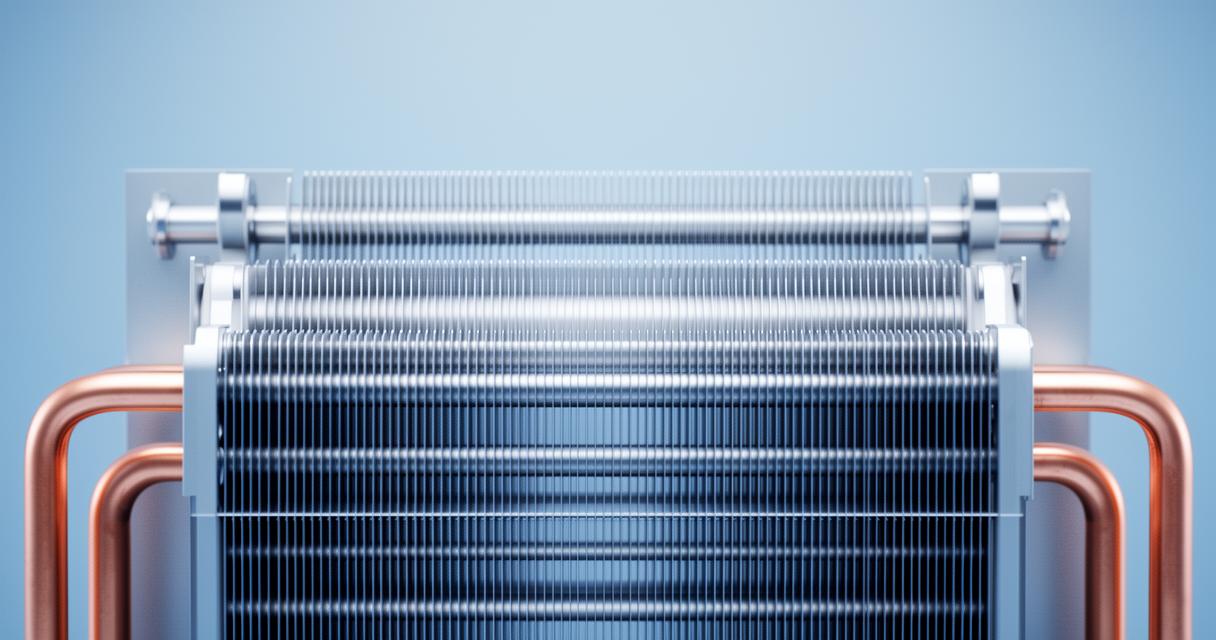
Key components: compressors, condensers, evaporators and expansion valves
Each stage of the refrigeration cycle relies on specific hardware components engineered to precise tolerances. The compressor serves as the system's heart, mechanically pressurising refrigerant vapour and driving circulation throughout the circuit. Condensers facilitate heat rejection, typically employing air or water cooling to transform high-pressure vapour back into liquid form. Evaporators provide the critical cooling function, allowing liquid refrigerant to absorb heat as it vaporises within the refrigerated space. Expansion valves control refrigerant flow between the high-pressure and low-pressure sides of the system, creating the pressure drop necessary for continuous operation. More efficient equipment can reduce energy consumption substantially, making component quality and design crucial factors in overall system performance. Modern refrigeration installations incorporate sophisticated controls and monitoring systems that optimise operation under varying conditions. The interaction between these components determines not only cooling capacity but also reliability, maintenance requirements, and long-term sustainability. Advances in materials science and engineering continue to yield improvements in component efficiency and durability, contributing to reduced environmental footprints across the refrigeration sector.
Environmental Impact of Refrigeration Systems on Climate Change and Global Warming
Greenhouse Gas Emissions from Refrigerants and Energy Consumption
Refrigeration systems impact the environment through two distinct but interconnected pathways that together constitute a significant climate challenge. Direct emissions occur when refrigerants escape from systems during operation, maintenance, or disposal, releasing substances with high Global Warming Potential directly into the atmosphere. F-gases like HFCs contribute to climate change with warming effects hundreds or thousands of times greater than carbon dioxide over equivalent timeframes. Indirect emissions result from the substantial energy demand required to power refrigeration equipment, which often relies on fossil fuel-generated electricity. The consequences of these emissions extend beyond abstract temperature increases, manifesting as melting glaciers, rising sea levels, and poor air quality that affect communities worldwide. Future predictions state energy demand for refrigeration may triple by 2050, underscoring the urgency of addressing both direct and indirect environmental impacts. The refrigeration sector's carbon emissions have attracted regulatory attention as governments recognise that achieving climate goals requires transformation across all economic sectors. Understanding the scale of refrigeration's environmental footprint reveals why this technology has become central to climate policy discussions despite its relatively low public profile compared to transport or power generation.
Sustainable solutions: natural refrigerants and energy-efficient technologies
The pathway towards environmentally responsible cooling combines regulatory frameworks with technological innovation and market transformation. The European Union is limiting F-gas usage since 2012, implementing progressively stricter controls that aim for low carbon emissions by 2050. The F-Gas Regulation aims for a 20% reduction in emissions by 2030, establishing clear targets that drive industry adaptation. Evidence of progress appears in supply data showing that HFC supply decreased by 47% from 2015 to 2019, demonstrating that regulatory approaches can achieve measurable results. New regulations focus on certification requirements for technicians and a gradual ban on certain gases in specific applications, ensuring that knowledge and alternatives develop alongside restrictions. Natural refrigerants offer immediate solutions with dramatically lower climate impact, making substances like CO2 increasingly attractive despite technical challenges in some applications. Innovations and technology are key for a sustainable economy, with manufacturers developing systems that combine natural refrigerants with enhanced energy efficiency. Investment in research and development continues to yield improvements in performance, reliability, and cost-effectiveness for eco-friendly refrigeration technology. The transition towards sustainable cooling represents both challenge and opportunity, requiring collaboration between policymakers, manufacturers, and end users to achieve climate objectives whilst meeting society's legitimate cooling needs.