In the modern landscape of retail security, the balance between cost and effective protection remains a constant challenge for businesses. Retailers frequently seek solutions that offer both visual deterrence and financial prudence, leading many to explore the use of dummy cameras as part of their overall strategy. These imitation devices, designed to mimic the appearance of genuine surveillance equipment, promise to discourage criminal activity without the substantial investment required for fully operational CCTV systems. Yet, as their prevalence increases, so too does the ability of both opportunistic thieves and seasoned criminals to identify these facsimiles. Understanding the telltale signs that distinguish a dummy camera from a real one is essential for anyone involved in commercial security, as well as for those assessing the true level of protection in any given environment.
Physical construction and material analysis
The first and often most revealing indicator of a dummy camera lies in the materials from which it is constructed. Genuine surveillance cameras, particularly those deployed in commercial and public security settings, are typically manufactured using high-grade materials designed to withstand prolonged use and environmental exposure. These devices often incorporate metal components in their housing, especially around the lens mount and internal framework, to ensure durability and resistance to tampering. In contrast, dummy cameras are frequently fabricated from lightweight plastic that, upon closer inspection, may exhibit signs of poor manufacturing quality. The plastic casing can feel flimsy to the touch, and the overall weight of the unit is often noticeably lighter than that of an authentic device. This disparity in build quality is a direct consequence of the cost-effective nature of dummy cameras, which can retail for as little as eight pounds, a stark contrast to real CCTV systems that start at around twenty-five pounds and often run into hundreds or thousands of pounds when factoring in installation and storage infrastructure.
Distinguishing materials: plastic versus metal components
A detailed examination of the camera's exterior and internal components can reveal much about its authenticity. Retailers and security professionals often note that genuine cameras feature metal brackets, screws, and mounting plates that are robust and resistant to corrosion. These metal elements are not merely aesthetic; they serve functional purposes, providing structural integrity and secure attachment points. Dummy cameras, by contrast, tend to rely on cheaper plastic fixings and lightweight brackets that may not offer the same level of stability. The lens itself is another critical area for scrutiny. Real surveillance cameras utilise glass or high-quality optical materials that allow for clear image capture, whereas dummy units frequently employ a simple plastic lens or even a printed image that simulates the appearance of a lens without any actual optical function. This difference becomes apparent when one closely inspects the reflective qualities and clarity of the lens surface, with authentic devices exhibiting superior optical properties.
Build quality and manufacturing indicators
Beyond the choice of materials, the overall build quality of a dummy camera provides numerous clues to its true nature. Manufacturing indicators such as visible mould lines, uneven panel gaps, and inconsistent paint finishes are common in imitation devices. Genuine surveillance equipment undergoes stringent quality control processes, resulting in a polished and professional appearance that reflects the investment in genuine protection. Dummy cameras, produced with the primary goal of minimising cost, often lack this level of refinement. Additionally, the absence of any branding or the presence of generic, unfamiliar logos can signal that a camera is not a legitimate product from a reputable security manufacturer. Retailers aiming to maintain a credible visual deterrent must be mindful of these details, as experienced criminals are adept at recognising the subtle differences that betray a device's lack of functionality.
Design features and installation characteristics
The manner in which a camera is installed and positioned within a retail environment offers further insight into whether it is a functional surveillance device or merely a decoy. Real CCTV systems are typically installed by professionals who adhere to best practices in strategic placement, ensuring optimal coverage of high-traffic areas and vulnerable points. These installations are characterised by precise mounting techniques, the use of conduit for cable management, and integration with broader security infrastructure, including alarm systems and active monitoring solutions. Dummy cameras, on the other hand, are often installed with less attention to these technical details, as their purpose is primarily psychological rather than operational. This difference in approach can be observed through careful examination of the camera's mounting method, the presence or absence of cabling, and the overall coherence of the security setup.
Mounting methods and positioning patterns
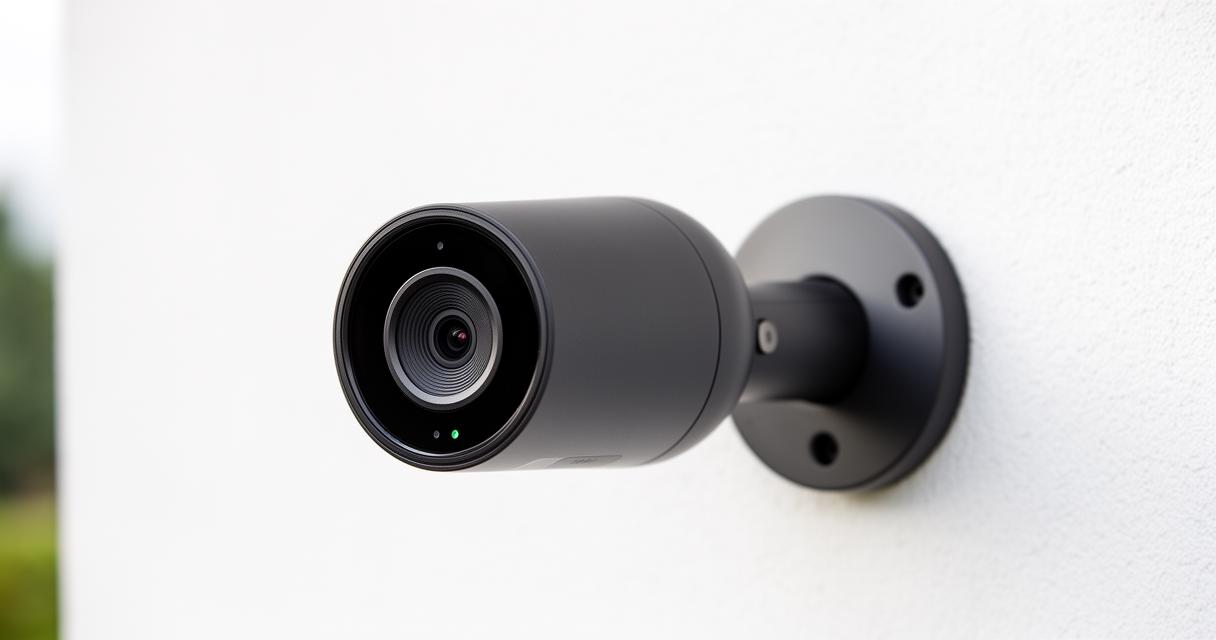
Authentic surveillance cameras are installed using secure mounting brackets that are firmly attached to walls, ceilings, or other structures, often with the use of robust screws and anchors designed to prevent tampering. The positioning of these cameras is strategic, with angles and heights chosen to maximise the field of view and minimise blind spots. In retail settings, genuine cameras are commonly found at entrances, exits, cash registers, and along aisles where high-value merchandise is displayed. Dummy cameras, conversely, may be mounted in less critical locations or at angles that do not make practical sense for actual surveillance. They may also be positioned in highly visible spots where their primary role is to serve as a visual deterrent rather than to capture usable footage. The mounting hardware used for dummy units is often simpler and less secure, reflecting the lower stakes involved in their installation and maintenance.
Cable management and power source examination
One of the most definitive ways to distinguish a dummy camera from a real one is to examine the presence and management of cables. Genuine surveillance cameras require power and, in many cases, data connections to transmit footage to recording devices or monitoring systems. This necessitates the presence of cables that are either run through conduit, concealed within walls, or neatly organised along surfaces. The power source is a critical component, as real cameras must be connected to a reliable electrical supply or utilise power over Ethernet technology. Dummy cameras, by their very nature, require no such infrastructure. They are designed to be easy to install, requiring no wiring or configuration, which is a significant part of their appeal for cost-effective security solutions. As a result, a dummy camera may have no visible cables at all, or it may feature a short length of dummy cabling that serves no functional purpose. In some instances, a fake cable may be attached solely to enhance the illusion of authenticity, but closer inspection will reveal that it is not connected to any power source or data network.
Operational indicators and technical functionality
The operational capabilities of a camera, or lack thereof, provide the most conclusive evidence of its authenticity. Real surveillance cameras are equipped with a range of technical features designed to facilitate effective monitoring and evidence recording. These include motion detection, infrared night vision, and integration with broader security systems that can trigger alarms or send smartphone notifications in the event of suspicious activity. Dummy cameras, however, possess none of these functional attributes, although some models attempt to simulate activity through the use of blinking LED lights or motorised movements. Understanding these operational indicators is crucial for anyone seeking to assess the genuine protection offered by a camera, as the presence or absence of these features can have significant implications for crime deterrence and legal compliance.
Led lights and motion detection capabilities
A common feature of both real and dummy cameras is the presence of LED lights, which are often used to signal that a device is active. In genuine surveillance systems, these lights may serve as status indicators, showing that the camera is powered on and recording. However, many dummy cameras also incorporate blinking or solid LED lights to create the impression of functionality. The key distinction lies in the behaviour of these lights and the presence of accompanying features. Real cameras with motion detection capabilities will often exhibit changes in LED status or trigger other system responses when movement is detected within their field of view. Dummy cameras, despite having LED lights, lack the underlying sensors and processing capabilities required for true motion detection. Observing whether a camera's LED responds to actual movement or simply blinks at regular intervals regardless of activity can help reveal its true nature. Additionally, experienced criminals are aware that dummy cameras often rely on conspicuous, constantly blinking lights, whereas genuine devices may use more subtle indicators or operate without visible lights to avoid drawing unnecessary attention.
Night vision technology and advanced security features
Night vision capability is another critical feature that distinguishes real surveillance cameras from their dummy counterparts. Modern CCTV systems are equipped with infrared technology that allows them to capture clear footage in low-light or complete darkness, an essential requirement for effective twenty-four-hour monitoring. This technology is evident in the presence of infrared LEDs surrounding the camera lens, which emit a faint red or invisible infrared light. Dummy cameras, while they may include cosmetic elements that mimic the appearance of infrared LEDs, do not possess the actual sensors or processing hardware necessary to produce night vision images. Furthermore, real cameras often offer a suite of advanced security features, such as remote access via smartphone notifications, integration with alarm systems, and the ability to record and store footage for later review. These capabilities are central to genuine protection and are entirely absent in dummy units. Retailers and security professionals who rely solely on dummy cameras forego the benefits of evidence recording and active monitoring, leaving their premises vulnerable in the event of criminal activity. The decision to deploy dummy cameras must therefore be weighed carefully against the need for comprehensive security measures, and in most cases, a hybrid approach that combines both real and dummy devices is recommended to maximise crime deterrence while managing costs effectively.