There is something quietly magnetic about analogue cameras that digital devices simply cannot replicate. As screens grow sharper and phones grow smarter, more people are turning back the clock, reaching for cameras that click, whirr and demand a little patience. This renewed love affair with film photography is not just a passing fad; it is a genuine cultural shift, and it is worth understanding why so many photographers, both seasoned and new, are falling for the charm of shooting on film.
In short
- The resurgence of analogue photography is a cultural shift driven by a desire for the unique texture, grain, and warmth that digital sensors cannot replicate.
- Vintage cameras offer a tangible, historical connection to the craft, requiring photographers to engage with the physical mechanics of the device.
- Using film forces a slower, more mindful approach to photography by removing automatic settings and instant digital previews.
- The lack of digital convenience encourages photographers to develop a deeper technical understanding of aperture, shutter speed, and light.
- The film photography community is thriving, supported by social media platforms where enthusiasts share tips and celebrate the unpredictable nature of analogue shooting.
- With a wide range of accessible starter cameras and retail support, beginning an analogue collection has become easier for both new and experienced photographers.
The Timeless Appeal of Film Photography in the Modern Age
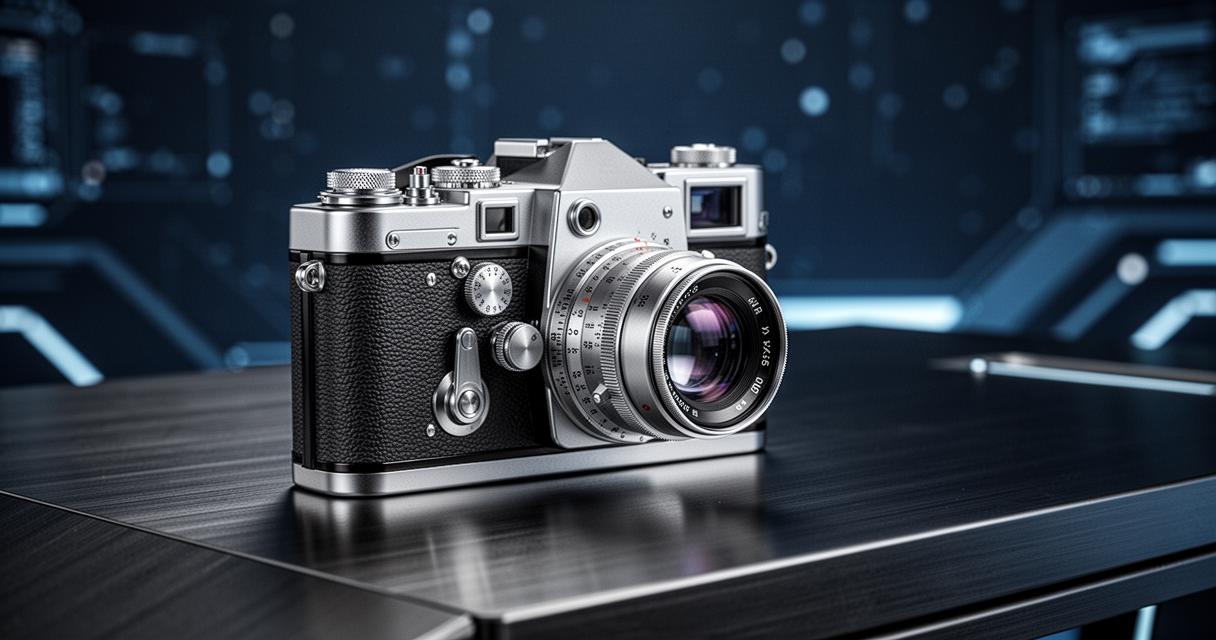
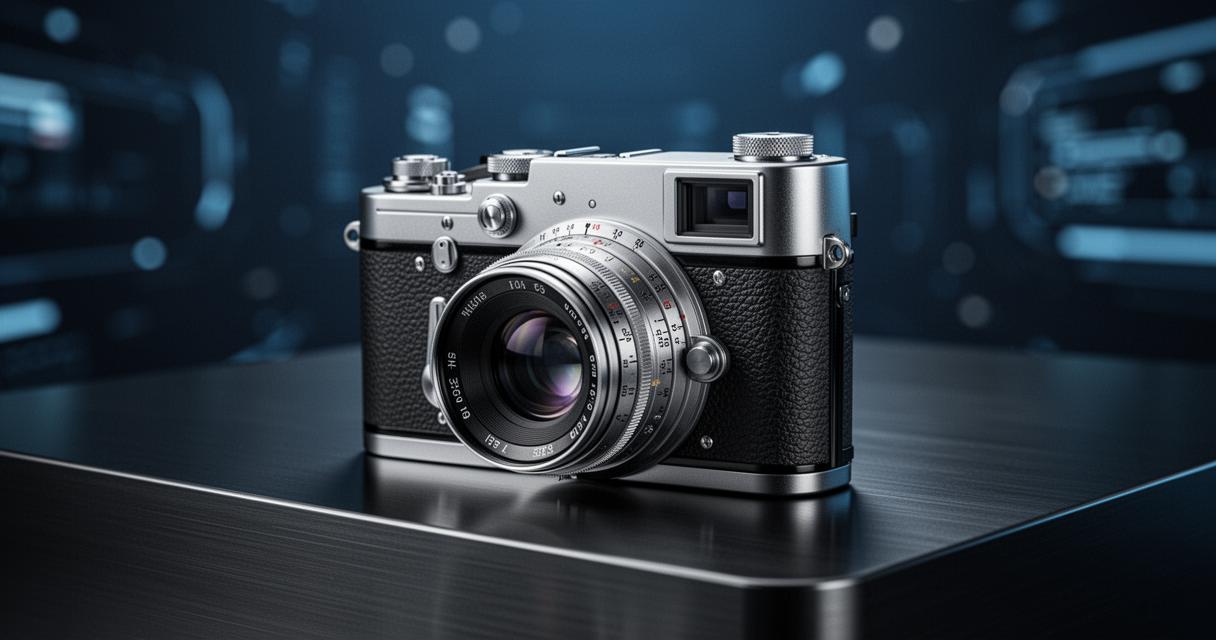
Vintage photography has a texture and warmth that digital sensors often struggle to imitate convincingly. Grain, gentle colour shifts and imperfect light leaks give every frame a character of its own, which is precisely why analogue cameras continue to win over new generations of enthusiasts. Whether it is a battered Olympus Trip 35 found at a car boot sale or a carefully restored Canon AE-1, these machines carry a physical presence that a smartphone camera simply cannot match. With well over 250 film cameras available to choose from through specialist retailers, and trust built with more than 40,000 customers, it is clear this is far from a niche curiosity.
Why analogue cameras create an unmistakable aesthetic
Part of the appeal lies in the limitations. Vintage cameras, particularly those built with CCD sensors rather than modern CMOS chips, produce a softer, more organic rendering that many describe as genuinely film-like. Popular choices such as the Fujifilm F10 and F31fd, the Ricoh GR Digital, and the ever-charming Olympus C-765 have become sought-after for exactly this reason. Prices vary wildly, from budget-friendly options costing as little as twenty pounds through to collector favourites like the Contax i4r, which can fetch several hundred pounds. What unites them all is a distinctive, slightly unpredictable look that feels far removed from the crisp, over-processed images so common today.
The Nostalgic Experience of Shooting with Film
Beyond aesthetics, there is an emotional pull to using film. Loading a roll of 35mm colour film, black and white stock, chunky 120 film or even a pack of Polaroid instant film connects photographers to a tangible process that predates the instant gratification of digital screens. This nostalgic experience often mirrors personal memory too; many photographers recall starting their own collection with an old SLR camera passed down from a relative, sometimes dating as far back as 1949. That sense of history, of holding something that has captured decades of images before you ever pressed the shutter, adds an emotional depth that is hard to replicate with a brand new digital device.
Mastering the Art: Skills and Community in Analogue Photography
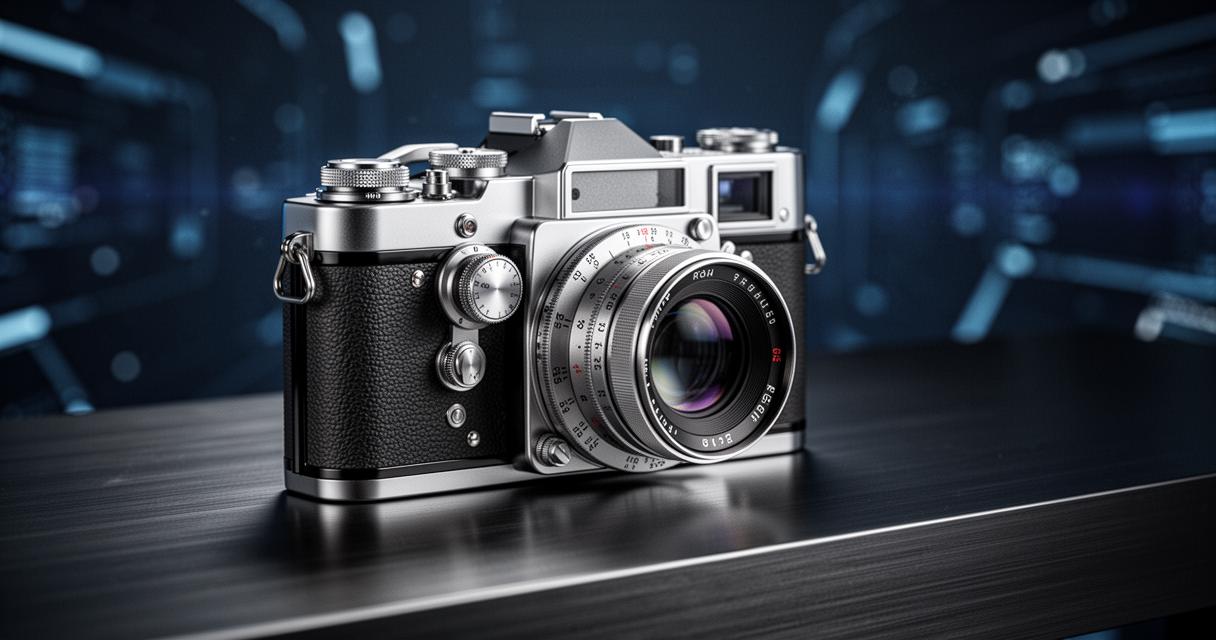
Shooting on film is not simply about nostalgia; it is also about craft. Vintage cameras strip away the automatic conveniences of modern equipment, asking photographers to genuinely understand their tools rather than rely on algorithms to do the thinking for them.
Developing Patience and Technical Expertise with Film Cameras
Working with manual settings means learning how aperture, shutter speed and ISO interact to shape an image, along with a careful appreciation of light and exposure that digital shooters can often overlook. There is no instant preview, no chance to check the result and reshoot on the spot. This forces a slower, more mindful approach, encouraging photographers to consider composition and timing before they commit to pressing the shutter. Once the roll is finished, developing film introduces its own chemical process, transforming a simple hobby into something closer to a personal ritual, with each frame bearing a subtle trace of the photographer’s hand.
Joining the Thriving Community of Film Photography Enthusiasts
None of this happens in isolation. A significant revival of film photography among younger generations has been fuelled largely by social media, where communities swap tips, share results and celebrate the unpredictability of analogue shooting. Looking ahead, many expect hybrid cameras and more environmentally considerate processing materials to shape the next chapter of this movement, alongside continued community support that has proven vital to its resurgence.
For anyone tempted to start their own collection, the practicalities have never been easier. Many specialist retailers now offer free home delivery on orders over sixty nine euros, alongside secure payment options including Visa, Mastercard, American Express, Paypal, Klarna and Amazon Pay. Shoppers browsing categories such as Kids Cameras, Vlogging equipment, Film Cameras and Accessories can often find popular starter picks like a Reusable Film Camera priced at thirty nine ninety nine euros or a Motorized Reusable Argentic Pack at fifty nine ninety nine euros. With a thirty day change of mind policy, newsletter sign up discounts of fifteen percent on a first order, and support across multiple languages and currencies including the Euro and British Pound, stepping into analogue photography has rarely felt more accessible. Whatever draws you in, whether it is the unpredictable beauty of grain, the ritual of development, or simply the joy of slowing down, analogue cameras offer a genuinely rewarding way to see the world differently.