The realm of mobile technology continues to evolve at a remarkable pace, and for many consumers, finding the perfect smartphone involves balancing screen size with portability. The six-inch display has emerged as a popular sweet spot, offering ample screen real estate for multimedia consumption and productivity without becoming unwieldy in the hand or pocket. As we navigate through 2025, the market presents an impressive array of devices at this dimension, each catering to different preferences, budgets, and usage patterns. Understanding what makes a six-inch phone stand out in this crowded landscape requires examining not only flagship prowess but also value propositions and long-term sustainability.
Top 6-inch smartphone contenders: flagship models dominating the 2025 market
The flagship segment in 2025 showcases some truly exceptional devices that push the boundaries of what a six-inch smartphone can achieve. These premium handsets combine cutting-edge technology with refined design, delivering experiences that justify their higher price points. For those who demand the very best in performance, camera capabilities, and overall refinement, these models represent the pinnacle of mobile engineering. Whether you prioritise seamless multitasking, professional-grade photography, or simply the prestige of owning a top-tier device, the current generation of six-inch flagships offers compelling reasons to invest.
Premium performers: samsung galaxy note range and apple's latest 6-inch offerings
Samsung's Galaxy Note range has long been synonymous with productivity and innovation in the six-inch category. The latest iterations continue this tradition by integrating advanced S Pen functionality with stunning AMOLED displays that deliver vibrant colours and deep blacks. These devices excel in multitasking scenarios, allowing users to effortlessly switch between applications whilst taking advantage of the expansive screen for note-taking, sketching, or detailed editing work. The build quality remains exceptional, with premium materials and water resistance ensuring durability alongside elegance.
On the Apple side, the company's 2025 offerings in the six-inch range bring the familiar iOS ecosystem with enhanced performance and camera systems. Apple devices continue to be celebrated for their seamless integration across the broader Apple ecosystem, making them ideal for users already invested in MacBooks, iPads, or other Apple products. The quality of construction, attention to detail, and long-term software support remain hallmarks of the brand. Whilst Apple's approach tends towards a more controlled environment compared to Android alternatives, this also translates to consistent performance and security updates that extend the useful life of each device significantly.
Value champions: xiaomi redmi devices and motorola's performance-focused options
For consumers seeking excellent specifications without the flagship price tag, Xiaomi's Redmi series presents a compelling alternative. These devices typically pack impressive hardware including high-refresh-rate displays, capable processors, and generous battery capacities into packages that cost considerably less than their premium counterparts. The Redmi range in 2025 continues to impress with its ability to deliver smooth daily performance, decent camera results, and feature-rich software at accessible price points. This makes them particularly attractive for budget-conscious buyers or those who prefer to upgrade more frequently without substantial financial commitment.
Motorola has carved out its own niche by focusing on performance and clean software experiences in the six-inch segment. Their performance-focused options often feature near-stock Android interfaces that appeal to purists who appreciate uncluttered software and timely updates. Motorola devices typically excel in battery optimisation and include thoughtful features such as gesture controls and Moto Actions that enhance daily usability. The build quality, whilst perhaps not matching the premium metals and glass of flagship models, remains solid and practical for everyday use. These phones represent a sensible middle ground for users who want reliable performance without unnecessary embellishments or costs.
Technical specifications that matter: comparing battery capacity and operating systems
When selecting a six-inch smartphone, understanding the technical specifications that genuinely impact daily experience proves essential. Whilst marketing materials often highlight impressive-sounding numbers, certain specifications have far more bearing on satisfaction than others. Battery capacity and the operating system stand out as two critical factors that influence how enjoyable and practical a device becomes over months and years of ownership. These elements determine not only how long you can use your phone between charges but also how intuitive and efficient your interactions with the device feel on a daily basis.
Power management: battery capacity comparisons across leading brands
Battery capacity remains one of the most crucial considerations for any smartphone purchase, and six-inch devices often have an advantage here due to their larger physical dimensions allowing for bigger cells. Leading brands approach power management differently, with some prioritising sheer capacity whilst others focus on optimisation and efficiency. Devices with larger batteries naturally offer longer usage times, but the relationship between capacity and actual battery life involves multiple factors including display technology, processor efficiency, and software optimisation.
Samsung typically equips its six-inch flagships with substantial battery capacities that, when combined with efficient AMOLED screens and adaptive refresh rates, deliver impressive endurance. Apple's approach focuses more on tight hardware-software integration, allowing the company to achieve excellent battery life even with nominally smaller capacities compared to Android competitors. Xiaomi Redmi devices often feature particularly generous battery specifications, sometimes exceeding competitors by significant margins, which translates to multi-day usage for moderate users. Motorola similarly emphasises battery longevity, frequently including larger cells alongside software optimisations that extend practical usage time. The Google Pixel range balances capacity with intelligent adaptive battery features that learn usage patterns to maximise efficiency throughout the day.
Software Experience: User Reviews on Operating Systems from Google Pixel to Sony Xperia
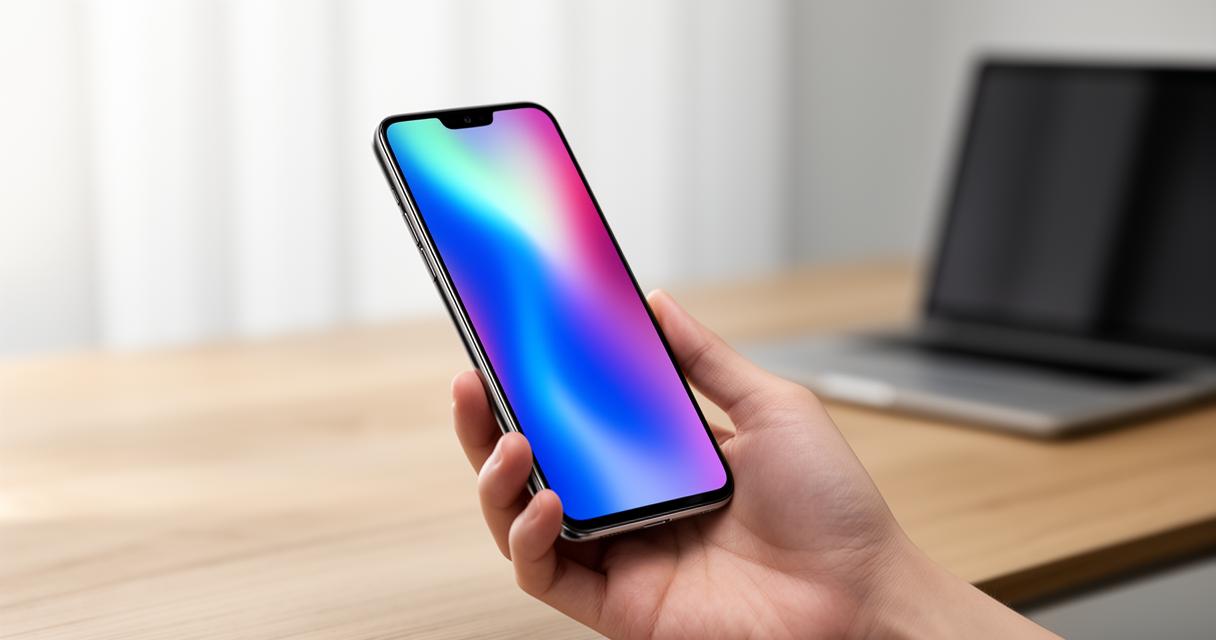
The operating system shapes every interaction with your smartphone, making it arguably as important as any hardware specification. User reviews consistently highlight that the software experience can make or break overall satisfaction with a device, regardless of how impressive the specifications sheet appears. Android dominates the six-inch smartphone market, but the experience varies considerably between manufacturers due to custom interfaces, pre-installed applications, and update policies.
Google Pixel devices offer what many consider the definitive Android experience, with clean interfaces, intelligent features powered by machine learning, and guaranteed prompt updates directly from Google. Users frequently praise the intuitive nature of Pixel software and the thoughtful integration of Google services. Samsung's One UI has evolved considerably, now receiving positive reviews for its feature richness, customisation options, and improved performance. The interface offers extensive personalisation whilst maintaining reasonable efficiency, though some users note the presence of duplicate applications for certain functions.
Apple's iOS remains distinct in its approach, with user reviews highlighting the consistency, security, and ecosystem integration as major strengths. The closed nature of iOS means less customisation flexibility compared to Android, but this trade-off delivers stability and a curated app experience that many users prefer. Sony Xperia devices run closer to stock Android with subtle enhancements, appealing to users who appreciate a cleaner experience with professional-grade camera controls and multimedia features. Xiaomi's MIUI and Motorola's near-stock Android implementations each have their advocates, with preferences often coming down to how much customisation and pre-installed functionality users desire versus simplicity and speed.
Smart Purchasing Decisions: Navigating the 2025 Marketplace for 6-Inch Phones
Making an informed purchase in the current smartphone market requires looking beyond specifications and brand names to consider where and how you buy. The marketplace for mobile devices has expanded considerably, offering consumers multiple avenues to acquire their ideal six-inch smartphone. Understanding these options, along with emerging trends towards sustainability and value retention, can significantly impact both the initial investment and long-term satisfaction with your purchase. Smart buyers in 2025 recognise that the best deal involves more than simply finding the lowest price on a new device.
Sustainable choices: exploring refurbished phone options and quality assurance
The refurbished phone market has matured significantly, now offering a credible alternative to purchasing brand new devices. Quality assurance processes from reputable sellers ensure that refurbished units meet stringent standards, often including battery replacement, thorough testing, and cosmetic grading systems that allow buyers to understand exactly what condition to expect. This approach not only reduces environmental impact by extending device lifecycles but also provides access to premium models at substantially reduced prices.
Purchasing a refurbished six-inch flagship from the previous year or two can deliver exceptional value, as these devices typically still perform admirably for everyday tasks despite not having the absolute latest specifications. Many refurbished sellers now offer warranties comparable to new devices, providing peace of mind alongside savings. The quality assurance protocols employed by established refurbishment operations include comprehensive functional testing, ensuring that cameras, displays, buttons, and connectivity all work as intended. For environmentally conscious consumers or those seeking maximum value, exploring certified refurbished options represents an increasingly sensible pathway to owning a quality six-inch smartphone.
Market Intelligence: Understanding Marketplace Trends and Where to Find the Best Deals
The smartphone marketplace in 2025 operates across multiple channels, each with distinct advantages and considerations. Traditional high street retailers offer the benefit of hands-on experience with devices before purchase, along with immediate availability and face-to-face customer service. Online marketplaces provide broader selection and competitive pricing, though they require more due diligence regarding seller reputation and return policies. Manufacturer direct sales increasingly offer compelling deals, particularly during promotional periods, whilst also ensuring authenticity and full warranty coverage.
Understanding marketplace trends helps identify optimal purchasing times. New flagship releases typically trigger price reductions on previous generation models, creating opportunities for savvy buyers to acquire recently top-tier devices at reduced costs. Contract deals from mobile network operators can spread costs over time, though careful calculation often reveals that purchasing devices outright and using SIM-only plans proves more economical overall. Cashback offers, trade-in programmes, and seasonal sales events all present additional opportunities to reduce effective purchase prices. The key lies in researching across multiple channels, comparing total cost of ownership rather than just upfront prices, and remaining patient for the right combination of device, price, and purchasing terms to align with your specific needs and budget.