The 1980s remain a golden age for personal computing, a decade when beige boxes and blinking cursors sparked imaginations across sitting rooms and school corridors alike. From the living rooms of Britain to arcades humming with electronic excitement, the computers of that era left a mark so deep that entire communities now dedicate themselves to preserving and celebrating their legacy. Whether you grew up loading games from cassette tapes or marvelling at sprite animations on a cathode-ray television, the nostalgia attached to those machines is nothing short of extraordinary.
At a glance
- The 1980s served as a golden age for personal computing, fueled by iconic machines that transformed home entertainment and sparked widespread innovation.
- Alan Sugar’s Amstrad CPC series democratized home computing by offering affordable, all-in-one solutions that included built-in peripherals.
- The inherent technical constraints of 8-bit and 16-bit hardware forced programmers to push the limits of graphics and sound, creating an enduring aesthetic and a new art form in chip music.
- Beyond gaming, 1980s computers served a dual purpose by providing professional tools for education, small businesses, and word processing.
- The legacy of 1980s computing persists today through retro emulation, digital preservation, and educational initiatives that introduce new generations to classic technology.
- Modern gaming platforms and museums play a vital role in maintaining interest in early computing history, ensuring the impact of these foundational machines is not forgotten.
The Amstrad CPC Era and the Genius of Alan Sugar
Few names loom as large in British computing history as Alan Sugar, whose Amstrad brand transformed the home computer market during the mid-1980s. At a time when owning a personal computer still felt like a luxury reserved for the well-heeled, Sugar’s instinct for accessible pricing democratised the technology in a way that few rivals managed. The result was a machine that found its way into millions of British homes, rewriting what families expected from home entertainment.
All in One Computing with a Built-in Disk Reader
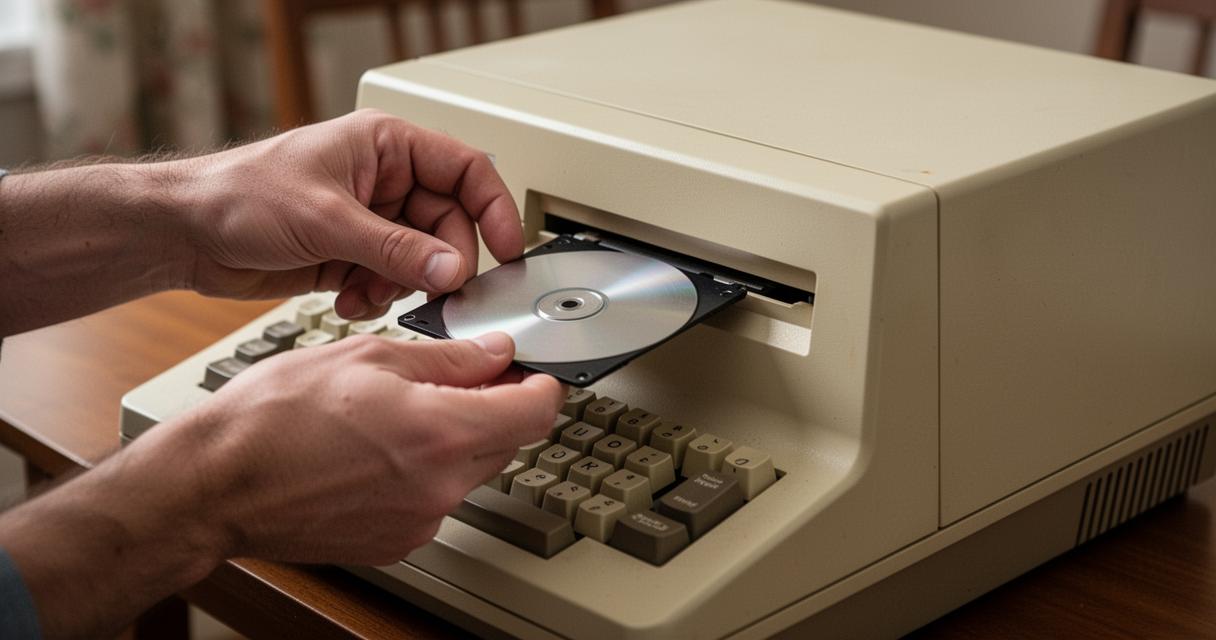
One of the shrewdest design decisions behind the Amstrad CPC range was the inclusion of a built-in disk reader or tape deck, depending on the model, which meant buyers did not need to purchase peripherals separately. This all-in-one philosophy stood in contrast to many competitors, who often sold their machines at a low entry price only to leave consumers hunting for additional hardware. The CPC came bundled with a monitor and presented itself as a complete computing solution straight out of the box, a proposition that resonated powerfully with families weighing up the cost of entry into home computing. That thoughtful integration of components helped cement the machine’s reputation as a genuine workhorse for both personal use and leisure.
A commercial success story for home entertainment
The commercial success of the Amstrad CPC cannot be disentangled from the broader explosion in home entertainment that characterised the era. Games poured onto the platform in extraordinary numbers, covering everything from text adventures to arcade-style action titles that brought the excitement of the high street into the living room. The CPC cultivated a devoted public who exchanged tips through magazines, traded software in playgrounds and gathered around screens in a spirit of shared discovery. That communal dimension of 1980s computing is something modern enthusiasts still speak of with genuine warmth, recognising it as a cultural force rather than a mere technological curiosity.
Technical characteristics that defined 80s personal computing
Strip away the nostalgia and what remains is a genuinely fascinating story of engineering ambition operating under severe constraints. The technical characteristics of 1980s computers were shaped by the realities of limited memory, modest processors and display hardware that today would seem almost impossibly basic. Yet those limitations drove creativity in ways that continue to astonish. Programmers and designers pushed their machines far beyond what manufacturers originally envisaged, coaxing sounds and visuals from silicon that defied expectations.
How Graphics and Music Capabilities Shaped a Generation
The graphics and music capabilities of 1980s home computers may appear humble by contemporary standards, but they were transformative for the generation that grew up with them. Machines like the Amstrad CPC, the Atari ST and the Commodore Amiga each offered distinct sonic and visual palettes, and the competition between platforms inspired composers and artists to develop entirely new techniques. Chip music, born from the constraints of tiny sound chips, evolved into an art form that still has devoted practitioners today. Meanwhile, the visual style of 8-bit and 16-bit video games has enjoyed a remarkable renaissance, with modern indie developers consciously evoking those pixelated aesthetics as an act of affectionate tribute.

Micro technology bridging professional use and home leisure
It would be a mistake to view 1980s micro technology purely through the lens of gaming. Many of these machines were also intended for professional use, shipped with word processors, spreadsheet software and programming environments that enabled small businesses and sole traders to modernise their operations. The BBC Micro, for instance, became a fixture in British schools precisely because it balanced educational utility with genuine computing power. This dual identity, straddling the worlds of work and play, gave the era’s machines a versatility that contributed enormously to their lasting importance in computing history. The Sega Mega Drive and later platforms would eventually shift the emphasis decisively towards dedicated gaming consoles, but during the 1980s the line between home office and games room was delightfully blurred.
The Modern Legacy and the Rise of Retro Emulation
Decades after those machines first powered up, their influence endures in ways both expected and surprising. The rise of retro emulation has allowed a new generation to experience classic software without needing original hardware, while museums and heritage organisations work diligently to ensure that physical artefacts are preserved for future study. The culture of digital preservation has never been more active, driven by enthusiasts who understand that these machines represent an irreplaceable chapter in the story of human communication and creativity.
Recalling the Indelible Importance of 80s Innovation
The indelible importance of 1980s computing innovation extends well beyond the machines themselves. The industry that crystallised during those years laid the groundwork for everything from the internet to the smartphones now carried in every pocket. Titles such as Final Fantasy VII and the broader tradition of narrative-driven video games that emerged through the late 1980s and 1990s owe a clear debt to the ambitions first nurtured on home computers. Even the fall of the Berlin Wall in 1989 arrived at a moment when personal computing was reshaping societies, and the relation between access to information technology and wider social change is a thread historians continue to explore. The Nintendo Switch, which routinely offers retro titles through dedicated services, stands as one example of how the industry acknowledges that its roots matter to contemporary players.

How modern enthusiasts keep retro classics alive on current consoles
Today’s enthusiasts keep the flame burning through a remarkable variety of channels. Dedicated venues bring together collectors, developers and curious newcomers for gaming events that celebrate everything from arcade cabinets to early home computers. Cambridge is home to one such institution that has welcomed over 160,000 visitors, including 18,000 school pupils, since it began operations in 2013, offering education group visits, virtual school visits and even corporate venue hire for organisations wishing to engage with computing heritage in a memorable setting. The museum’s collection includes hundreds of Atari ST games alongside vast holdings of software, and it welcomes donations of games and hardware to strengthen its archive further. Gifts can even be Gift Aided, allowing donors to add value to every contribution at no extra personal cost.
Beyond formal institutions, online communities and forums sustain a lively conversation about retro gaming and vintage computers, while emulation on modern platforms such as the Nintendo Switch or devices powered by Nvidia technology brings classic experiences to screens that would have seemed like science fiction to a child in 1985. The first generation of home computer users is now passing its enthusiasm to grandchildren, ensuring that the classics retain their power to delight across the generations. In a world of constant technological acceleration, there is something quietly radical about pausing to honour the machines that started it all.