Finding the motivation and the space to exercise can be tricky, particularly when your living room doubles as a gym. That’s where Wall Pilates comes into its own, offering a gentle yet effective way to build strength without needing a spare room full of kit. Paired with the right mobile app, this trend has become one of the most accessible fitness routines around, and best of all, it won’t cost you a penny to get started.
What to know
- Wall Pilates is an accessible, low-impact fitness trend that uses a wall for resistance and support, effectively replacing the need for expensive reformer machines.
- The practice is ideal for small spaces and beginners, requiring only a small area of floor space and no specialized equipment.
- Regular practice improves posture, core strength, and flexibility by providing constant feedback on spine alignment and encouraging mindful movement.
- Numerous free mobile apps are available that provide structured routines, video demonstrations, and progress tracking to guide users through their training.
- Core movements like leg raises, hip bridges, and wall sits target specific muscle groups to build endurance, tone, and overall body stability.
- Consistency is key, with significant strength gains and physical improvements typically becoming noticeable after four to twelve weeks of regular practice.
Understanding Wall Pilates: Benefits and Core Principles for Home Training
Wall Pilates takes the traditional principles of mat-based Pilates and adds a simple prop that most of us already have at home: a wall. Rather than relying on a reformer machine with springs and pulleys, this method uses the wall as a source of resistance and support, allowing you to mimic many reformer-style movements without the expensive equipment. It’s a low-impact exercise that suits people of all fitness levels, which explains why it has become such a popular choice for those wanting a gentler introduction to strength training.
What Makes Wall Pilates Perfect for Small Spaces and Beginners
One of the biggest draws of this workout style is how little space it demands. You genuinely only need enough room to lie down and stretch your legs towards a wall, making it ideal for flats, box rooms, or even hotel rooms whilst travelling. There’s no equipment needed beyond your own body weight and a bit of floor space, which makes it a wonderfully budget-friendly fitness option. For complete beginners, the wall acts almost like a personal trainer, offering feedback and support that helps you understand correct alignment before progressing to more advanced moves.
How wall pilates improves posture, core strength, and flexibility
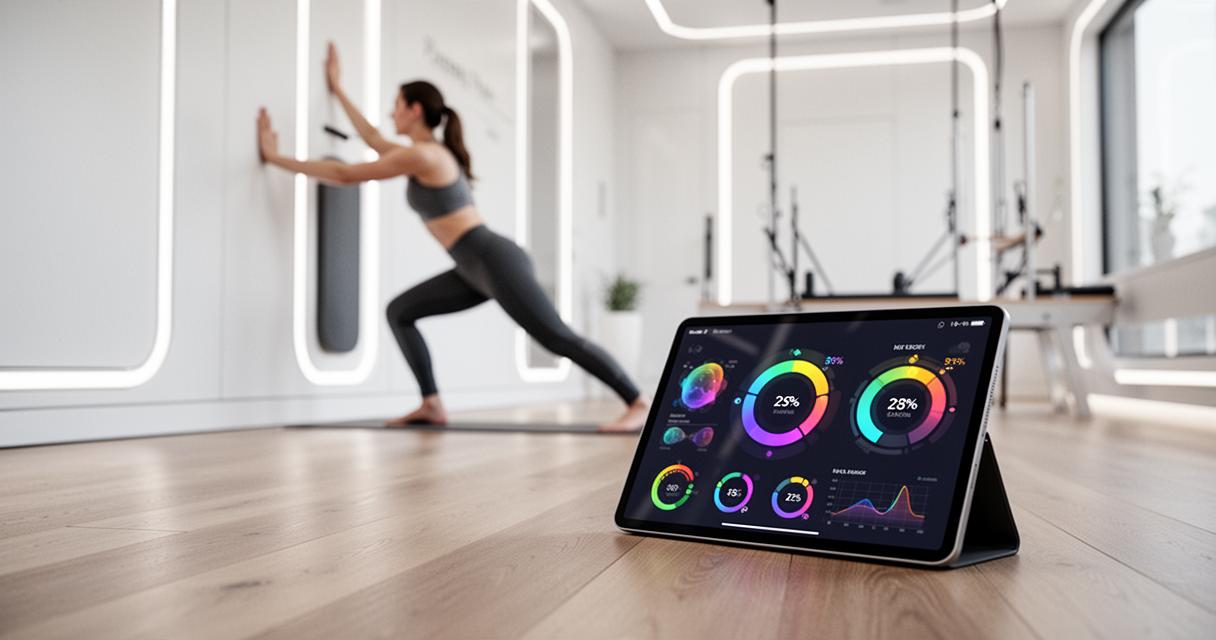
Because so many exercises involve pressing, pushing, or balancing against the wall, this practice naturally encourages better postural awareness. Over time, users often notice improved flexibility improvement alongside a reduction in everyday aches, including back pain reduction that many people struggle with due to desk-based jobs. The wall provides constant feedback about your spine’s position, helping you correct habits like slouching or overarching. It also draws on principles similar to yoga, focusing on breath control and mindful movement, which supports both physical and mental wellbeing.
Top free wall pilates apps: features, ratings, and user reviews
With the growing popularity of this workout style, numerous developers have created apps dedicated entirely to Wall Pilates routines. These platforms typically offer everything from beginner tutorials to more advanced 30-day challenges, all without requiring a subscription fee.
Best-Rated Free Apps on Google Play Store for Wall Pilates Workouts
A quick search on the Google Play Store reveals a healthy selection of highly rated apps dedicated to this style of training. Many boast thousands of glowing reviews, with users praising the clear instructions and varied routines. Whilst browsing app stores, you might also spot seasonal shopping deals, such as promotions offering up to 80% off on label maker bundles and seamless bras, though obviously your main focus should remain on finding an app with strong user feedback and regular updates. Reading reviews carefully helps you spot which apps genuinely deliver structured programmes versus those offering only a handful of free videos before pushing premium upgrades.
Key Features to Look For: Videos, Coaching, and Class Formats
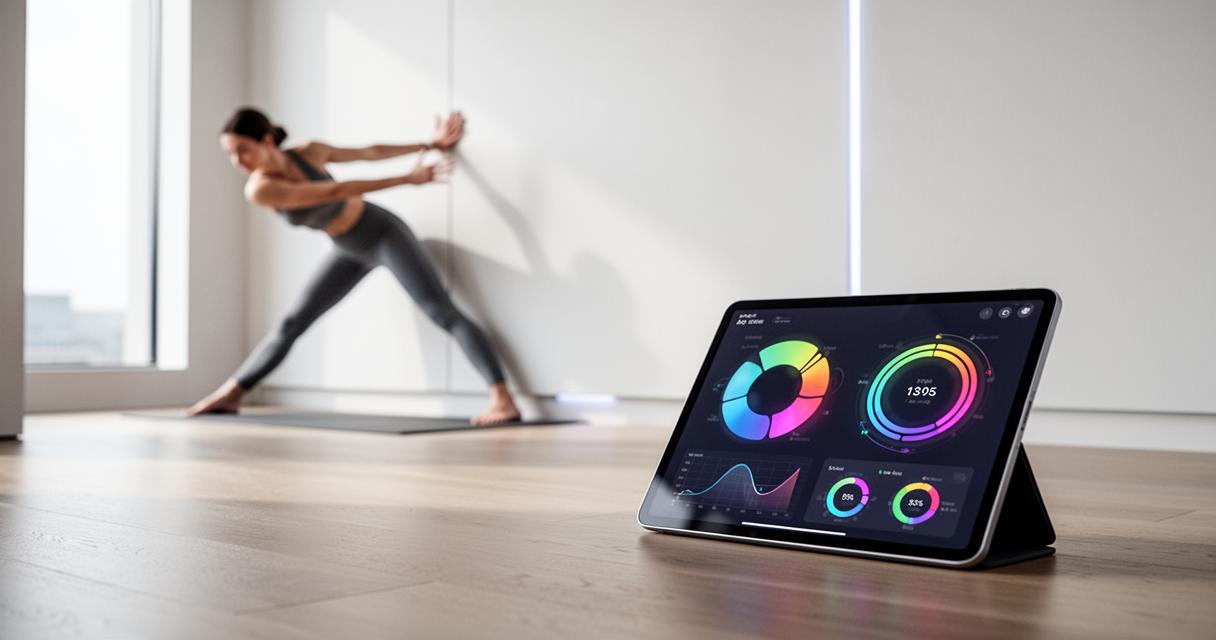
The best apps combine clear video demonstrations with some form of coaching, whether that’s a virtual instructor talking you through form cues or written tips displayed alongside each movement. Look out for varied class formats, including short ten-minute sessions for busy mornings and longer thirty-minute classes for when you have more time. Some apps also include calendar-based challenges, reminders, and progress trackers, all of which help keep motivation high during those early weeks when results aren’t yet visible.
Achieving Your Fitness Goals: Targeting Arms, Core, and Weight Loss with Wall Pilates
Whether your aim is toning up, shedding a few pounds, or simply moving more comfortably, Wall Pilates offers a surprisingly versatile toolkit for reaching these goals.
Effective Wall Pilates Exercises for Muscle Strengthening and Toning
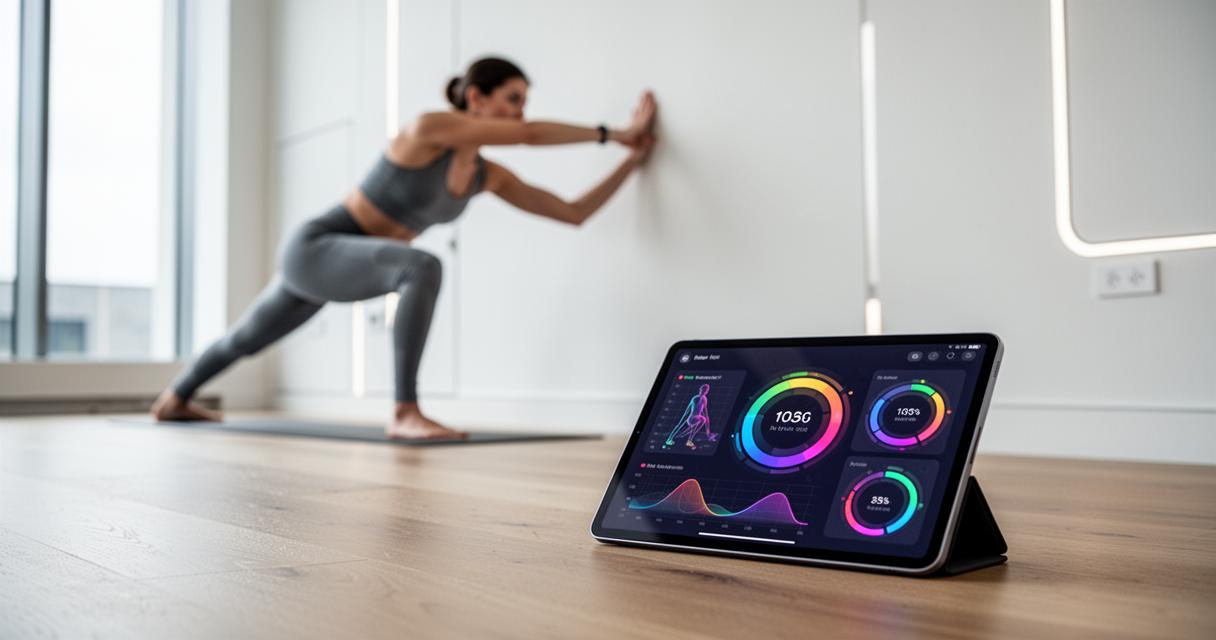
Three simple movements form the backbone of most beginner routines: leg raises, elevated hip bridges, and wall sits combined with calf raises. Leg raises performed against the wall target the lower abdominal region and hip flexors, building genuine core stability over time. Hip bridges, meanwhile, work the glutes and hamstrings whilst also encouraging better body control throughout the pelvis and lower back. Wall sits paired with calf raises are fantastic for building endurance in the legs, engaging muscles you might not typically target during a standard cardio session. Together, these exercises support gradual muscle development and can serve as a genuine reformer Pilates alternative for anyone without access to studio equipment.
Setting challenges and tracking progress towards your fitness objectives
Patience is essential with this type of training, as strength gains often become noticeable after roughly four to six weeks of consistent practice, whilst more visible changes to muscle tone can take closer to twelve weeks to appear. Rather than fixating solely on the scales, many people find it helpful to celebrate non-scale victories instead, such as touching their toes more easily or standing taller without conscious effort. Tracking these small wins through an app’s built-in journal or photo log can make the journey feel far more rewarding, helping maintain motivation long after the initial enthusiasm might otherwise fade.